People come to the Wieliczka Salt Mine expecting tunnels and old machinery. What surprises them is the art. For seven centuries miners here cut not only salt but sculpture — chapels to pray in, reliefs, chandeliers — until the workings became something closer to an underground cathedral. Here is what you actually see down there.
The Chapel of St. Kinga
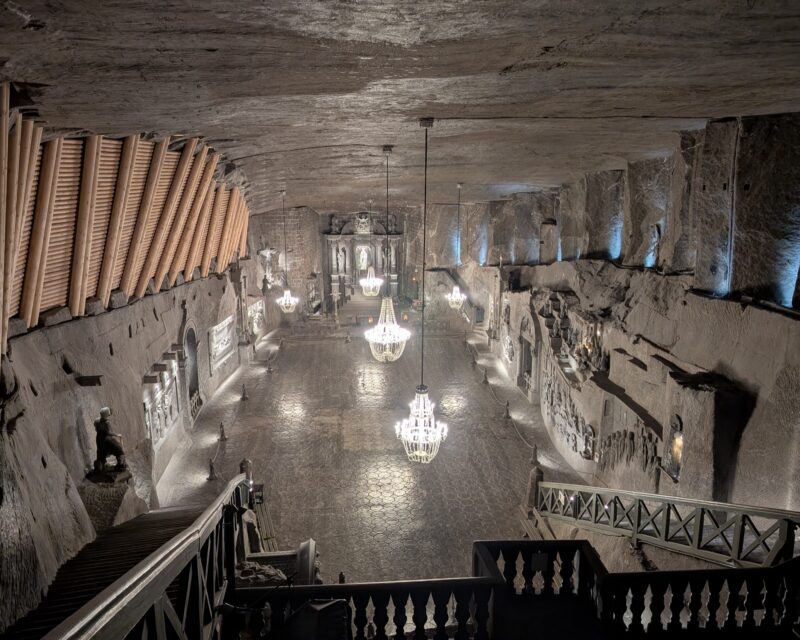
This is the centrepiece, and it is extraordinary. More than a hundred metres underground lies a full church — floor, altars, statues, staircases and chandeliers — carved entirely from rock salt by generations of miners, most famously over decades by a few of them working almost alone. The chandeliers are made of dissolved and recrystallised salt, clear as glass; the walls carry relief carvings including a version of Leonardo’s Last Supper cut a few centimetres deep into the salt.
It is still a working church. Mass is said here, and couples travel from across Poland to be married a hundred metres underground.
The lakes and the great chambers
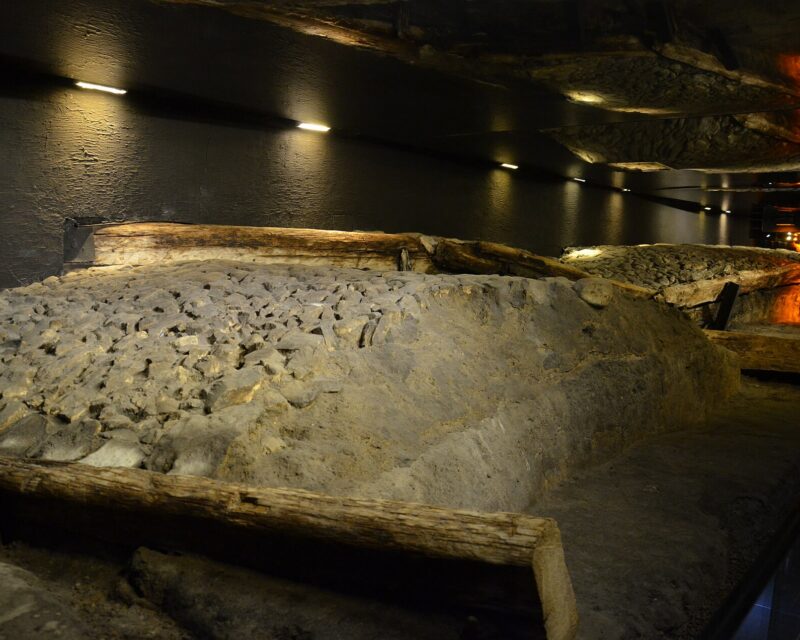
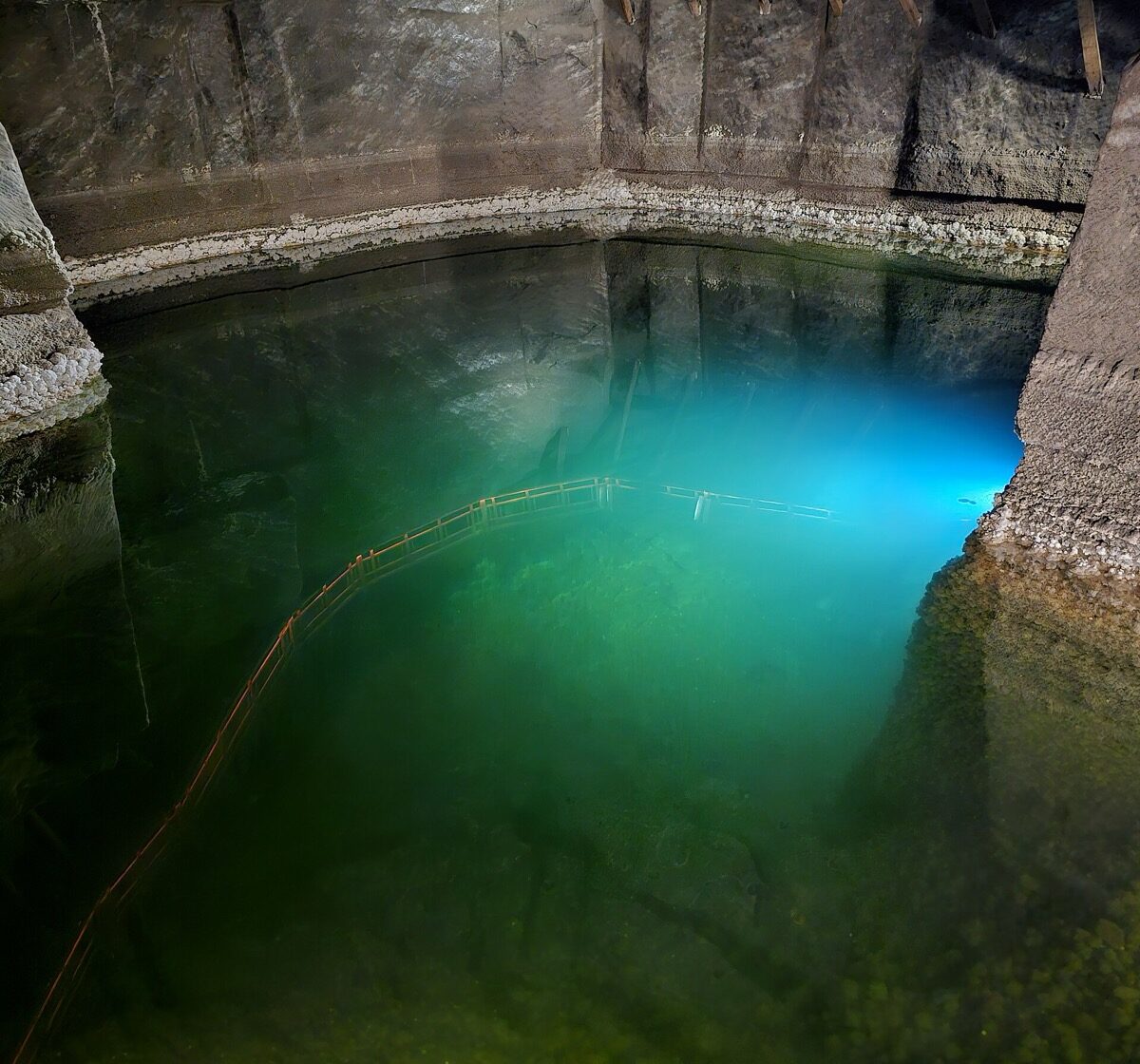
Beyond the chapel the route passes underground lakes of saturated brine — so salty nothing sinks — lit and mirror-still, and vast timber-braced chambers held up by carpentry that has stood since the 17th century. One grotto opens onto a green-lit lake behind a wooden gate; another soars three storeys into the dark. The scale is the thing photographs never quite manage.
What the visit is like
You see all of this on the guided Tourist Route, which takes about three hours. It starts with a descent of some 380 steps and ends with a lift back to the surface. The air stays around 17 °C the whole way, so a light jacket is welcome even in July. Tours run in several languages, and you choose yours when you book.
Before you go
Wieliczka is one of the first sites ever placed on the UNESCO World Heritage list, and on a summer day the popular tour times sell out. Book your language and your entry hour in advance, and you can simply arrive, join your guide, and go down.